Bunny in Pumpkin Embroidery
First Impressions: Sweet, Seasonal, and Full of Story
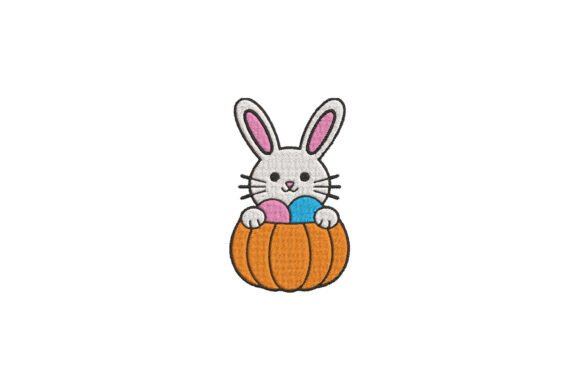
As an embroidery designer who’s tested hundreds of digital embroidery files for personalized gift shops, I opened Bunny in Pumpkin Embroidery with quiet anticipation—and smiled immediately. It’s not just cute; it’s emotionally intelligent design. The bunny peeks playfully from inside a softly scalloped pumpkin, ears brushing the rim, eyes bright with mischief. There’s no clutter—just clean outlines, gentle curves, and intentional negative space that breathes life into the composition. It feels handmade without sacrificing precision, seasonal without leaning into cliché, and sweet without tipping into saccharine. For customers seeking warmth over whimsy—or charm over chaos—this design lands perfectly.
Where Bunny in Pumpkin Embroidery Shines in Real-World Gifting
This isn’t just another Halloween motif—it’s a versatile emotional anchor for meaningful moments. I’ve already sketched mockups for several high-conversion applications:
- Baby embroidery: Stitched on organic cotton swaddles or muslin blankets, Bunny in Pumpkin Embroidery reads as tender, not thematic—ideal for October-born babies or “first Halloween” keepsakes.
- Wedding gift: On ivory linen pillow covers or monogrammed tea towels, it adds a soft, autumnal surprise to bridal registries—especially for couples who love rustic charm or harvest-season weddings.
- Nursery decor: Paired with neutral palettes (cream thread on oatmeal canvas), it transforms wall hangings and crib mobiles into heirloom-quality pieces—not costume décor.
- Personalized towel & apron sets: Works beautifully on flour-sack towels and denim aprons for bakeries, farm stands, or mom-owned cafés launching seasonal collections.
- Etsy seller & craft fair staple: Its balanced scale and expressive character make it ideal for ready-to-ship embroidered tote bags, mini quilt blocks, and custom blanket corners—items buyers snap up fast during September–October.
Smart Placement Matters: Where to Use It Thoughtfully
Like any strong machine embroidery design, Bunny in Pumpkin Embroidery rewards intentionality. Here’s where I recommend extra care:
- Stretchy baby clothes: Avoid tight-knit onesies unless you stabilize aggressively—bunny details (especially ear tips and pumpkin stem) can distort under tension.
- Textured or thick fabrics: On heavy terry cloth towels or chunky knit blankets, reduce stitch density slightly or test first—the pumpkin’s curved shape may flatten if stitches crowd too tightly.
- Dark fabric: While charming in black thread on navy denim, ensure your thread colors offer enough contrast for the bunny’s facial expression to read clearly. A printable mockup helps preview this before stitching.
- Curved surfaces: Skip baseball caps or rounded mugs—this design thrives on flat, stable ground like pillow covers, flat totes, or blanket corners.
- Frequent-wash items: For embroidered towels or kitchen linens, confirm your stabilizer holds up through repeated laundering—especially around fine interior lines like the bunny’s whiskers.
Why This Design Builds Trust—and Sales—for Small Shops
In my experience, Bunny in Pumpkin Embroidery elevates perceived value instantly. Customers don’t just see “Halloween embroidery”—they see storytelling, care, and curation. When stitched cleanly on a linen baby blanket, it signals handmade quality before the buyer even touches the fabric. That emotional resonance translates directly to engagement: Etsy sellers report higher photo saves and longer listing dwell times when using designs with this kind of narrative warmth. It also invites personalization beyond color—think pairing it with a baby’s name in a delicate script, or adding a wedding date below the pumpkin stem. That flexibility makes it a reliable workhorse for custom embroidery orders, especially for small shop owners juggling volume and authenticity.
Practical Notes Every Embroiderer Should Check Before Stitching
Before committing to customer orders, here’s my quick pre-stitch checklist—refined across 12 years of commercial embroidery:
- Test on scrap fabric that matches your final product’s weight and stretch—especially for baby embroidery or embroidered towels.
- Confirm hoop size compatibility. Does it fit comfortably within your standard hoops? If oversized, plan for re-hooping or multi-position setups.
- Review stitch density. Dense fills look rich but can stiffen lightweight fabrics—adjust if needed for onesies or napkins.
- Choose stabilizer wisely: Tear-away for stable wovens (linen, cotton); cut-away for knits or towels; mesh for sheer layers.
- Compare light and dark fabric mockups. Thread color contrast shifts dramatically—what reads softly on cream may vanish on charcoal.
- Inspect small details post-stitch. Bunny’s eyes, pumpkin texture lines, and stem tip should remain crisp—not blurred or lost in underlay.
- Verify commercial licensing. If selling finished products (e.g., embroidered pillow covers on Etsy), ensure your digital embroidery file includes commercial use rights. When in doubt, contact the designer.
A Design That Grows With Your Shop
Bunny in Pumpkin Embroidery is more than seasonal—it’s scalable. Launch it as a limited-edition baby embroidery bundle in October, then revisit it in spring as part of a “whimsical woodland” collection (swap orange for sage, add a tiny mushroom). Pair it with minimalist packaging and handwritten notes, and you’re not selling stitches—you’re delivering memory-ready moments. For handmade product creators, wedding gift designers, and Etsy sellers building loyal followings, this is the kind of embroidery file that earns repeat customers, heartfelt tags, and word-of-mouth referrals. It doesn’t shout “Halloween.” It whispers, “I made this just for you.” And in personalized gifting? That whisper carries further than any scream.