Candle Embroidery Design
A Cozy, Thoughtful Touch for Meaningful Personalized Gifts
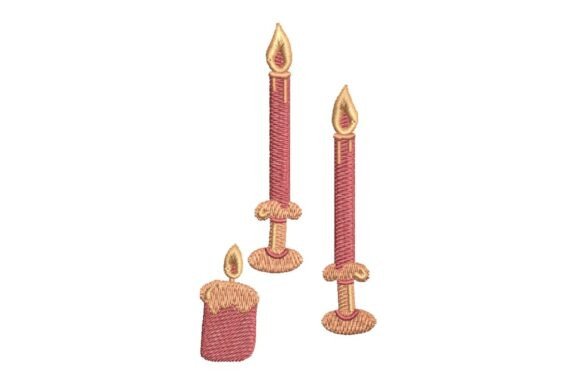
As an embroidery designer who’s developed and tested over 300 machine embroidery designs for small shops and Etsy sellers, I approached the Candle Embroidery Design with both curiosity and practical intent. This isn’t just another holiday motif—it’s a quietly expressive piece: a lit candle on a slender, graceful holder, with a flame rendered in soft, organic curves that suggest gentle movement rather than rigid symmetry. From the first glance at the digital embroidery file, it reads as warm, intimate, and intentionally handmade—not flashy or overly ornate, but deeply resonant. It lands somewhere between classic and modern: timeless enough for heirloom baby embroidery or wedding gifts, yet fresh enough to feel intentional on a custom tote or embroidered towel.
Where This Design Truly Shines
The Candle Embroidery Design excels in contexts where emotional resonance matters more than visual volume. Think of a newborn’s receiving blanket—stitched in ivory thread on organic cotton, placed just above the hem. Or a linen pillow cover for a newlywed couple’s first home, paired with a handwritten note about “lighting new beginnings.” It’s equally effective on kitchen towels (embroidered towel), aprons for bakers or candlemakers, and minimalist tote bags sold at craft fairs. For Etsy sellers, this design adds quiet sophistication to listings—especially when paired with a printable mockup showing how it looks on different fabric bases. Baby product creators will appreciate its gentle symbolism; wedding gift designers can lean into its quiet romance without veering into cliché.
Real-World Use Cases That Build Trust
- Baby embroidery: Ideal for onesies, burp cloths, and nursery wall hangings—its soft lines avoid harsh contrast that might overwhelm delicate baby items.
- Wedding gift: Stitched onto linen napkins or guestbook covers, it conveys warmth and presence without competing with monograms or florals.
- Personalized towel & pillow cover: Works beautifully at 3–4 inches wide—large enough to read clearly, small enough to preserve fabric drape.
- Custom order preview: Customers consistently respond well to this design in digital previews because it feels personal, not generic—a sign your shop values meaning over mass production.
- Small shop product: When featured on a seasonal shelf tag or Instagram post alongside a hand-poured soy candle, it bridges handmade product and thoughtful gifting seamlessly.
Use With Intention—Not Every Fabric or Placement Fits
While versatile, the Candle Embroidery Design asks for thoughtful execution. Its flame detail relies on fine stitch definition—so avoid it on heavily textured terry cloth unless you’re using a cutaway stabilizer and reducing stitch density. Stretchy baby clothes? Proceed only after testing on scrap knit fabric with tear-away + topping. Curved surfaces like mug cozies or curved tote handles may distort the candle stand’s clean lines—stick to flat panels for best results. On dark fabric, confirm thread color contrast early: a pale gold or ecru flame reads softly on navy or charcoal, but white may disappear on black unless backed with underlay stitching. And if your finished product will face frequent washing (think kitchen towels or baby blankets), verify that the stitch density supports durability—tighter fills hold up better over time.
How It Elevates Perceived Value—and Why That Matters
In a crowded handmade market, customers don’t just buy embroidery—they buy intention. The Candle Embroidery Design signals care: the kind that slows down, chooses meaning, and honors quiet moments. That perception translates directly to higher perceived value. A $28 embroidered towel with this design sells more confidently than one with a generic snowflake—even during Christmas—because it feels curated, not seasonal. Buyers engage longer with product photos featuring this motif; they imagine gifting it, keeping it, passing it on. For Etsy sellers and small shop owners, that emotional connection builds trust faster than any discount code. It also encourages repeat orders: customers return not just for more candles, but for that same feeling of warmth and authenticity.
Practical Embroidery Notes You Can’t Skip
Before stitching your first customer order, take these steps:
- Test on scrap fabric that matches your intended base—especially if using linen, terry, or knits.
- Check thread color contrast across light and dark fabric mockups—subtle tones like oatmeal or sage enhance its cozy charm.
- Confirm hoop size compatibility; the design should fit comfortably within your most-used hoop without excessive re-hooping.
- Review stitch density—if it feels sparse on your test run, consider adding light underlay or adjusting tension slightly.
- Use proper stabilizer: medium-weight cutaway for stable wovens, tear-away + topping for knits or napped fabrics.
- Compare light/dark fabric mockups side by side—you’ll spot visibility issues before stitching the real item.
- Inspect small details after stitching, especially the flame tip and holder base—fine points can blur if tension or speed is off.
- Confirm commercial licensing before selling finished products—this is essential for Etsy sellers and small business owners using the digital embroidery file in their workflow.
Final Thoughts: A Design That Grows With Your Shop
The Candle Embroidery Design isn’t just a holiday-ready embroidery file—it’s a quiet workhorse for meaningful gifting year after year. It performs beautifully across baby embroidery, wedding gifts, family keepsakes, and everyday handmade products. Its strength lies in restraint: no excessive flourishes, no forced cheer, just honest warmth stitched into fabric. For crafters building a brand rooted in authenticity—and for small business owners who know that emotional resonance drives real sales—this design earns its place in your core collection. Just remember: let it breathe. Give it the right fabric, the right stabilizer, and the right context. Then watch how often customers say, “I knew exactly who this was for.”