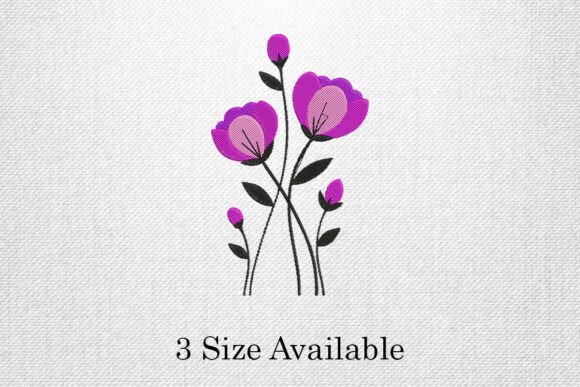
Green Leaf Minimal Plant Embroidery Desi
First Impressions: A Breath of Calm on Fabric
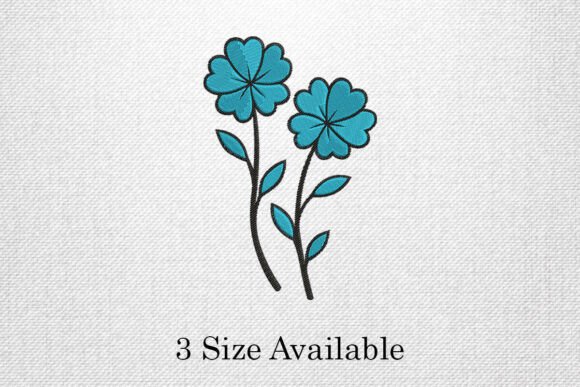
As an embroidery designer who’s stitched for over a dozen boutique brands, my first glance at Green Leaf Minimal Plant Embroidery Desi landed with quiet confidence—not flash, not fuss, but intention. The title alone signals clarity: “minimal,” “plant,” “green leaf”—a visual shorthand for grounded modernity. From the description—“bright green leaves and clean composition”—I immediately pictured crisp satin stitch outlines, soft fill transitions, and breathing room between elements. This isn’t a botanical illustration; it’s a distilled gesture. It feels inherently handmade, yet precise enough for repeat commercial embroidery. Mood-wise? Serene, intentional, quietly confident—neither overly feminine nor starkly genderless. It leans into natural charm without slipping into rustic cliché or playful kitsch.
How It Lives on Sweatshirts: Texture, Tone & Placement
Sweatshirt embroidery lives or dies by how well a design negotiates fabric texture and drape—and Green Leaf Minimal Plant Embroidery Desi is built for this. On neutral heather grey or oatmeal French terry, the bright green thread pops with gentle authority—fresh but never loud. On charcoal or navy sweatshirts, it gains depth and sophistication, reading as elevated lifestyle branding rather than craft-store decor. Pastel blush or sage hoodies? It harmonizes effortlessly, amplifying the softness while keeping visual weight balanced.
For chest placement on standard or oversized hoodies, its compact scale (implied by “minimal” and “single flowers”) means no awkward stretching or distortion—it sits cleanly within a 3.5–4" hoop zone. As a sleeve accent? Ideal. A single leaf near the cuff adds subtle narrative without competing. For back designs on cozy seasonal apparel—think cropped pullovers or relaxed crewnecks—it scales beautifully when mirrored or repeated in a delicate asymmetrical line. And because it reads as both design asset and lifestyle symbol, it strengthens boutique brand identity across product photography, printable mockups, and even unboxing moments.
Design Integrity in Production: What You’ll Actually Stitch
True to its name, Green Leaf Minimal Plant Embroidery Desi suggests thoughtful stitch density—not sparse to the point of fragility, not dense to the point of stiffness. On midweight sweatshirt fleece, it’ll hold structure without compromising drape. That “clean composition” tells me there’s likely minimal underlay and strategic jump-stitch management—critical for smooth commercial embroidery runs. No tiny tendrils or micro-details that vanish at 3" scale or fuzz out on brushed fabric.
Thread color contrast is where this design earns trust: “bright green” implies high chroma against neutrals, meaning it won’t disappear on darks *if* paired with quality 40-weight rayon or polyester thread. But here’s what every Etsy seller and small shop product creator must verify before stitching: Does the digital embroidery file include thread color callouts? Is stitch density optimized for knits—or does it assume stable woven fabric? Always test on your exact fabric blend. And yes—use cutaway stabilizer beneath, especially for looped-back fleece. It’s non-negotiable for wash durability and crisp leaf edges.
Hoop Size & Readability at Small Scale
Because it’s categorized under Single Flowers and labeled “minimal,” I’d expect Green Leaf Minimal Plant Embroidery Desi to stay comfortably legible down to ~2.75". That makes it viable for petite chest placements, children’s hoodies, or minimalist sleeve tags. No fine veins or stippled shadows that blur when scaled. What remains legible is shape, rhythm, and balance—the essence of the plant gesture. That’s smart design economy.
Why This Design Builds Brand Trust—Not Just Inventory
In handmade markets, buyers don’t just buy sweatshirts—they buy intention. Green Leaf Minimal Plant Embroidery Desi signals care through restraint. It says: “We chose this detail deliberately. We edited out noise. We value quiet strength.” That perception lifts perceived value instantly—especially for small shop owners pricing above fast-fashion benchmarks.
For Etsy sellers, it performs well visually in thumbnail grids: high contrast, clear silhouette, instant recognition. For custom apparel studios, it layers elegantly with monogram initials or subtle tagline text—never fighting for attention. And because it avoids trend-driven motifs (no mushrooms, no abstract blobs), it stays relevant across seasons. It doesn’t shout “spring collection!”—it whispers “this is how we show up, consistently.”
Real-World Considerations Before You Stitch
Before loading Green Leaf Minimal Plant Embroidery Desi into your machine:
- Verify file compatibility: Confirm it’s a native embroidery file format (.dst, .pes, .jef) for your machine—not just a vector or PNG.
- Check actual dimensions: “Minimal” is subjective—pull the design into your software and measure. Does it fit your standard chest placement template?
- Assess stitch count: While not stated, ultra-low counts risk flimsy coverage on thick fabric; excessively high counts create rigidity. Aim for 3,500–6,000 stitches for optimal balance.
- Test wash durability: Run a sample through one full cycle—cold wash, low tumble dry—before committing to a full drop. Look for thread pull, edge fraying, or stabilizer bleed.
- Review licensing: If selling finished goods, ensure the digital embroidery file permits commercial use. Not all “embroidery” files do.
Final Thought: Simplicity With Substance
Green Leaf Minimal Plant Embroidery Desi isn’t just another machine embroidery design—it’s a quiet amplifier. It works because it refuses to over-explain. On a heavyweight organic cotton hoodie, it feels premium. On a lightweight pastel pullover, it feels tender and current. For the boutique brand building slow, intentional collections—or the Etsy seller curating a cohesive handmade product line—it delivers visual cohesion without repetition fatigue. It supports storytelling instead of demanding it. And in an era where customers scroll past clutter in under two seconds, that kind of calm clarity? That’s not minimalism for minimalism’s sake. That’s strategic, stitch-by-stitch respect—for fabric, for time, and for the person wearing it.